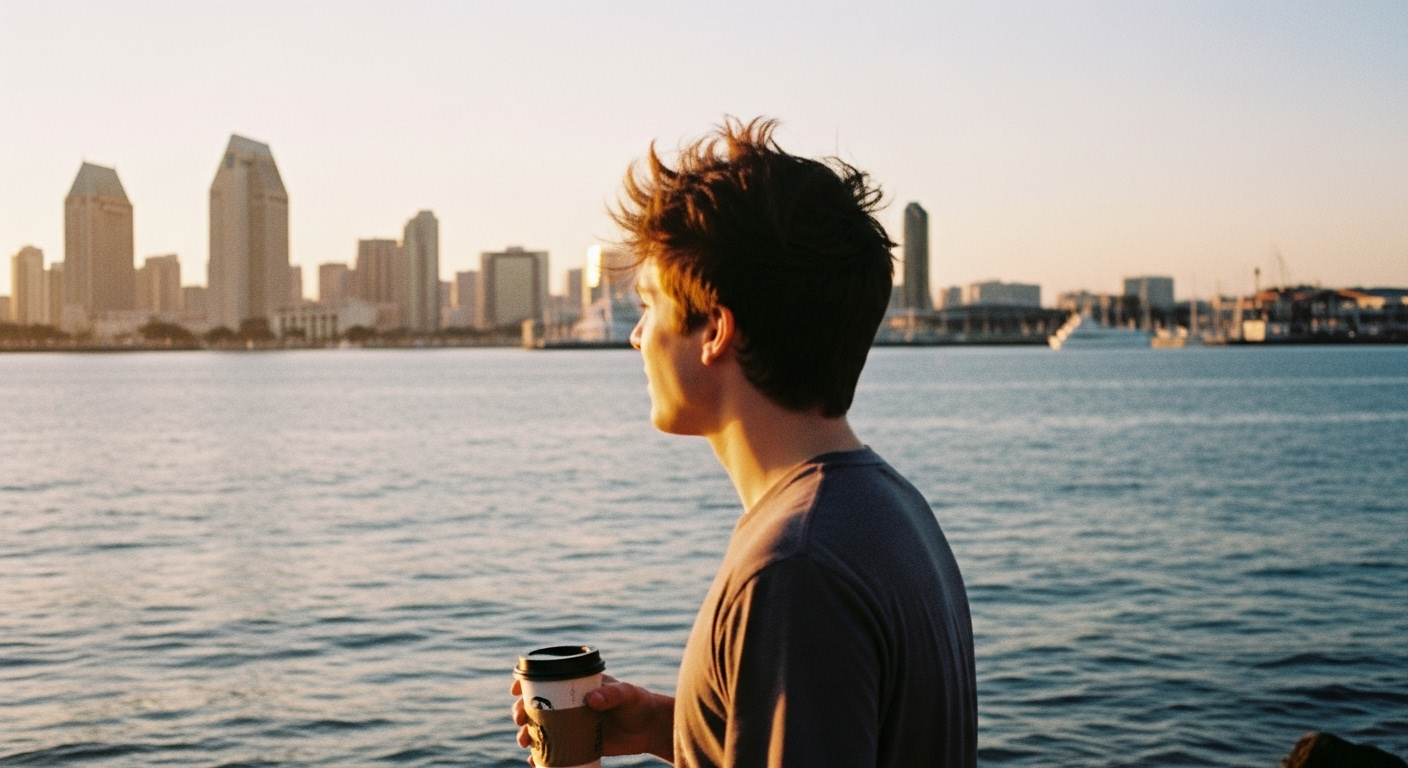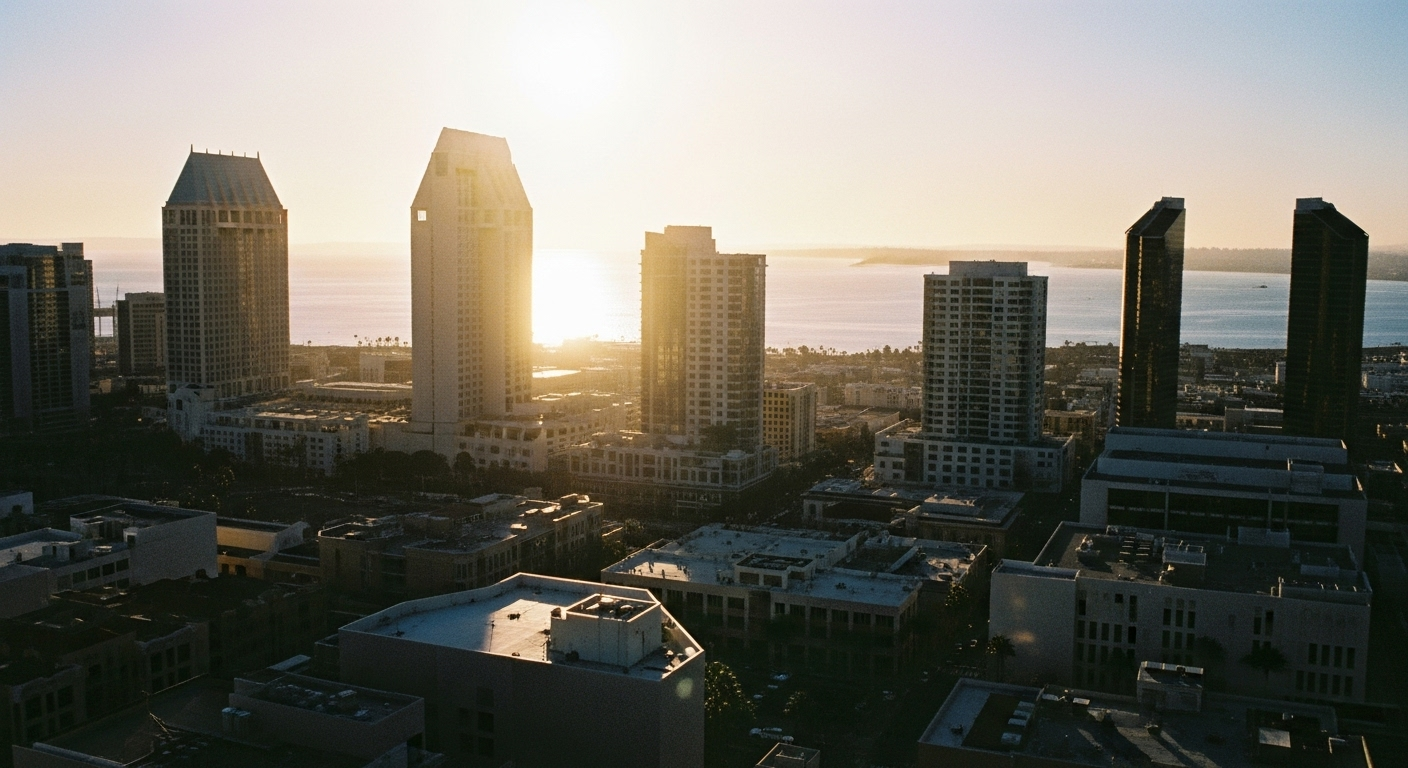
With its walkable neighborhoods, vibrant coffee culture, and outdoor wellness spaces, downtown San Diego provides a thriving, supportive backdrop for early recovery.
The Healing Power of Sunlight: How Weather Impacts Early Recovery
Before we talk about clinics and bus routes, we have to talk about the sky. San Diego boasts an average of 266 sunny days a year. While that’s great for your Instagram grid, it’s even better for your brain chemistry.
Substance use disorders wreak havoc on the brain’s dopamine and serotonin receptors, often leaving individuals in early sobriety feeling lethargic, depressed, and disconnected. Enter environmental psychology. According to research published by the National Institutes of Health (NIH), exposure to natural sunlight directly stimulates the production of serotonin, a neurotransmitter that regulates mood, anxiety, and happiness. Furthermore, morning sunlight helps reset the circadian rhythm—which is almost universally damaged by active addiction—promoting restorative sleep.
“Sunshine is nature’s antidepressant. The environmental enrichment provided by mild weather and consistent sunlight plays a measurable role in neurogenesis—the brain’s ability to heal and form new connections during early sobriety.”
In downtown San Diego, you aren’t trapped indoors fighting seasonal affective disorder (SAD) on top of post-acute withdrawal syndrome (PAWS). A simple walk along the Embarcadero or a moment of mindfulness at Waterfront Park provides free, evidence-based physiological support.
Navigating the City: Low-Cost and Public Transportation for Recovery
One of the biggest hidden hurdles in early sobriety is logistics. Perhaps you’ve lost your driver’s license, or maybe the financial strain of addiction has made car ownership impossible right now. A city is only as good as your ability to move through it.
Downtown San Diego shines here with its highly connected, low-cost public transportation system. The Metropolitan Transit System (MTS) is a lifeline for those in recovery. Here is how you can leverage it:
- The San Diego Trolley: Downtown is the central nervous system for the Blue, Orange, and Green trolley lines. These lines connect you seamlessly to various neighborhoods, making it easy to commute to 12-step meetings, SMART Recovery groups, or therapy appointments without the stress of navigating traffic.
- The PRONTO System: The MTS PRONTO card (or app) caps daily and monthly fares. Once you hit the daily limit of $6 (or $72 monthly), the rest of your rides are free. This predictable budgeting is crucial when you are rebuilding your finances.
- Walkability and Micro-Mobility: Downtown is highly walkable. For the “last mile” of your commute, city-sponsored bike-share programs and electric scooters offer low-barrier ways to get from the trolley stop to your clinician’s office.
Reducing the “friction” of getting to treatment is an evidence-based variable in preventing relapse. When transportation is easy and affordable, you are statistically more likely to show up for your recovery.
City and State Mental Health Resources in Downtown San Diego
Sobriety isn’t just about stopping the substance; it’s about treating the underlying mental health conditions—like anxiety, trauma, or bipolar disorder—that fueled the use in the first place. Downtown San Diego places you in close proximity to a robust network of city, county, and state resources.
San Diego County Behavioral Health Services (BHS)
Located within reach of downtown, BHS offers a continuum of care for those with co-occurring disorders. They provide access to outpatient clinics, crisis intervention, and case management. If you are uninsured or underinsured, BHS connects you with Medi-Cal-funded programs.
The Access and Crisis Line (ACL)
San Diego’s ACL (888-724-7240) is available 24/7. It’s not just for emergencies; it’s a brilliant resource for finding local, state-funded mental health clinics, detox centers, and support groups right in the downtown perimeter.
CalHOPE and State-Level Support
California’s CalHOPE program delivers free, safe, and culturally sensitive emotional support. By utilizing peer support specialists—people with lived experience in recovery—they offer a bridge for Gen Z and Millennials who might feel alienated by traditional clinical settings. Downtown’s public libraries (like the stunning Central Library) provide free Wi-Fi and safe spaces to access these telehealth and state-run digital resources.
The “Starting Again” Vibe: Community, Culture, and Connection
Addiction is a disease of isolation. Recovery, therefore, must be rooted in connection. Downtown San Diego offers a cultural landscape that allows you to romanticize your life in a healthy, constructive way.
Starting over here means you have access to a vibrant, diverse community. You can grab a matcha at a local sober-friendly cafe in the Gaslamp Quarter, attend a young-peoples AA meeting in East Village, or take a short bus ride to Balboa Park to wander through museums and botanical gardens. The city provides endless opportunities to discover who you are outside of substance use. It’s about building a life so full of color, art, and genuine connection that returning to the gray scale of addiction loses its appeal.
When Self-Help Isn’t Enough: Knowing When to Ask for Professional Help
We live in the era of #MentalHealthTok, endless self-help podcasts, and Instagram infographics that distill complex psychology into bite-sized quotes. While this democratization of mental health awareness is incredible, it has a dangerous flip side: the illusion that you can “life-hack” your way out of a severe substance use disorder or clinical depression.
According to the Substance Abuse and Mental Health Services Administration (SAMHSA), while peer support and self-education are vital, severe addiction physically alters brain structure in ways that often require professional, medical, and clinical intervention.
You cannot out-read a clinical disorder. You cannot willpower your way through dangerous physical withdrawals. When the pop-psychology books fail, when doomscrolling through online support forums leaves you feeling more empty, and when the isolation creeps back in despite your best efforts—that is the exact moment to reach out for professional help.
Sober housing like 619 Recovery sober living apartments in downtown and other specialized treatment centers like La Jolla Recovery in the San Diego area exist precisely for this reason. They bridge the gap between wanting to get sober and actually having the clinical tools, therapy (like CBT, DBT, and EMDR), and medical support to make it last. Asking for help isn’t a sign that your self-improvement failed; it’s the ultimate proof that you are serious about your healing.
Conclusion: Your Blueprint for Flourishing
Starting over in early sobriety is a monumental task, but you don’t have to do it in a vacuum. Downtown San Diego offers a unique, evidence-based blueprint for flourishing. From the neurobiological benefits of endless sunlight to the practical ease of the MTS trolley system, the city is built to support your forward momentum.
By tapping into local state and county mental health resources, leaning into the vibrant downtown community, and having the courage to seek professional treatment when self-help falls short, you are setting the stage for a profound transformation. The resources are here, the sun is shining, and the next chapter is entirely yours to write. Reach out, take the trolley, ask for help, and step into the light.
By Jace A.